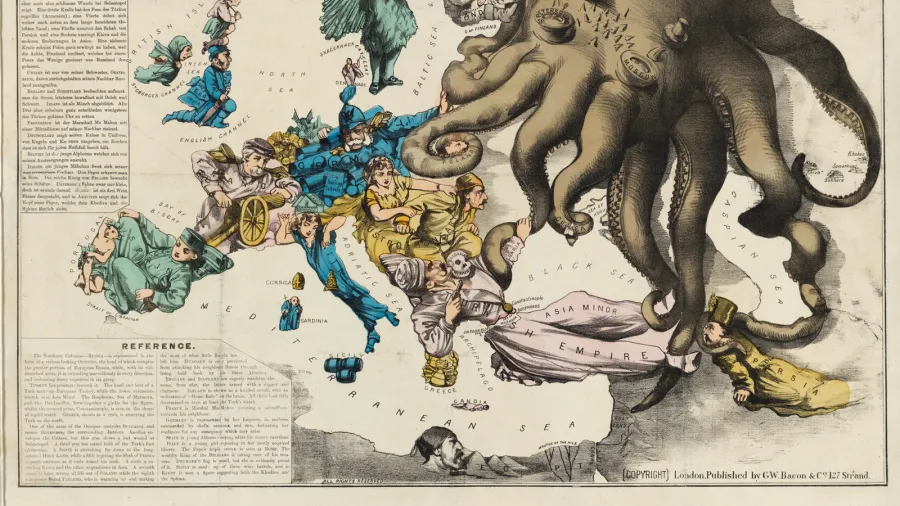
Cartographic Propaganda: How Maps Were Weaponized to Reshape Reality
Throughout modern history, mapmakers used strategic distortions, emotive symbols, and deceptive projections to persuade minds and advance geopolitical agendas.
Throughout modern history, mapmakers used strategic distortions, emotive symbols, and deceptive projections to persuade minds and advance geopolitical agendas.
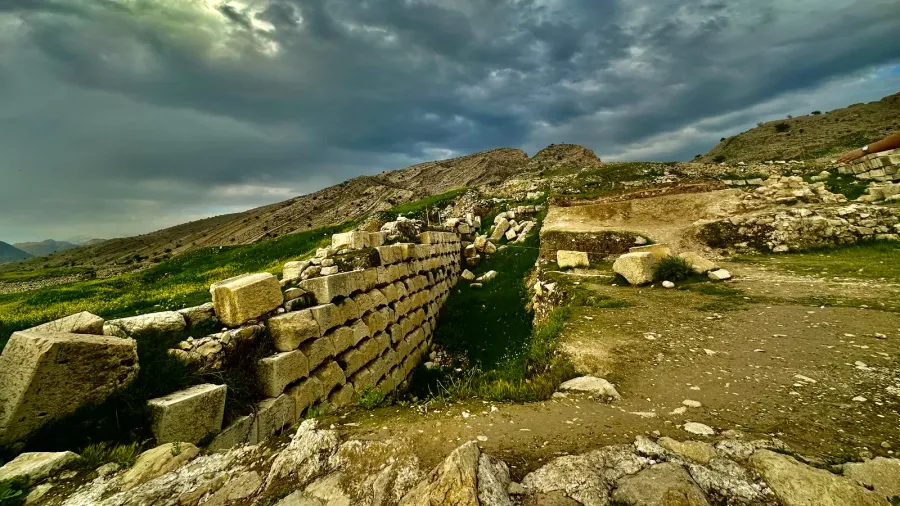
Built from dressed limestone by captive Roman legionaries, the Valerian Palace in Bishapur imprisoned Rome's only captured emperor under King Shapur I.
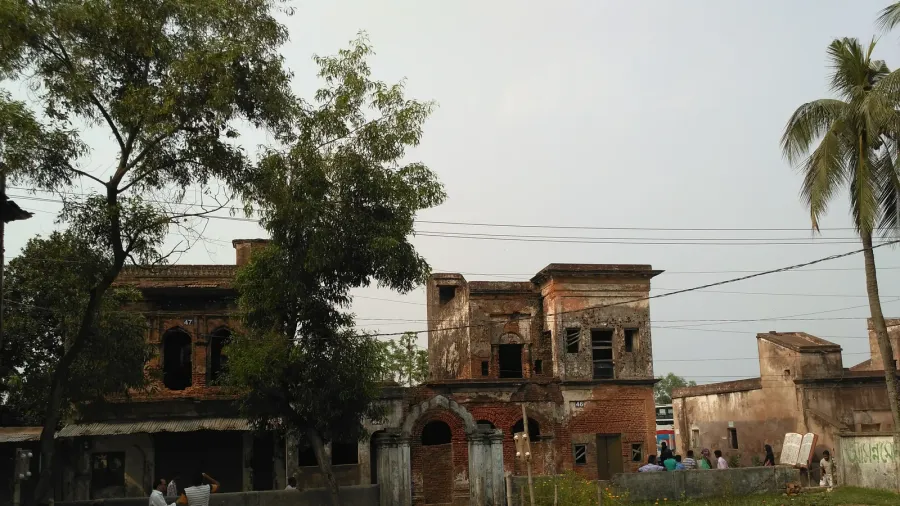
Lined with decaying neoclassical mansions, the abandoned merchant enclave of Panam Nagar preserves centuries of Bengal textile trade near Dhaka.

Preserved in the ancient courts of Bukhara and Samarkand, this classical modal tradition weaves Sufi poetry and plucked lutes into six complex musical suites.
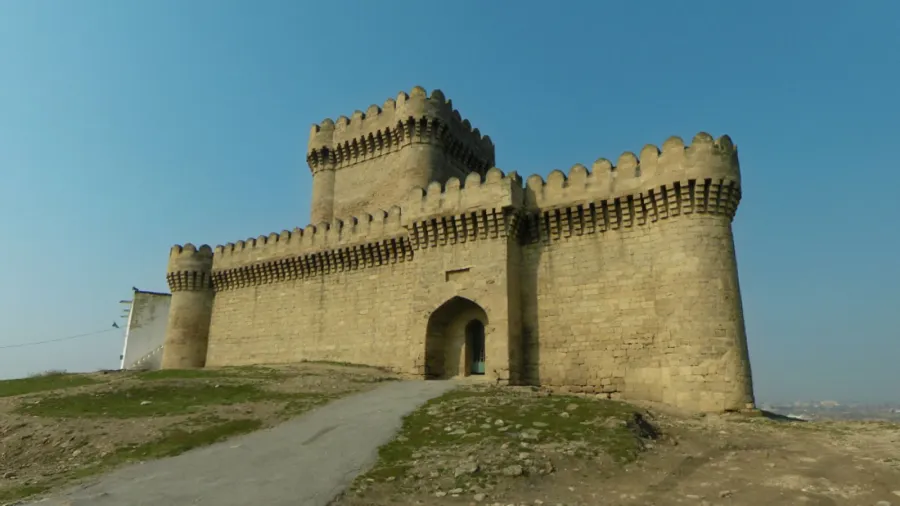
Perched on a rocky ridge outside Baku, Ramana Tower guarded medieval trade routes and Caspian shores under the Shirvanshah dynasty.
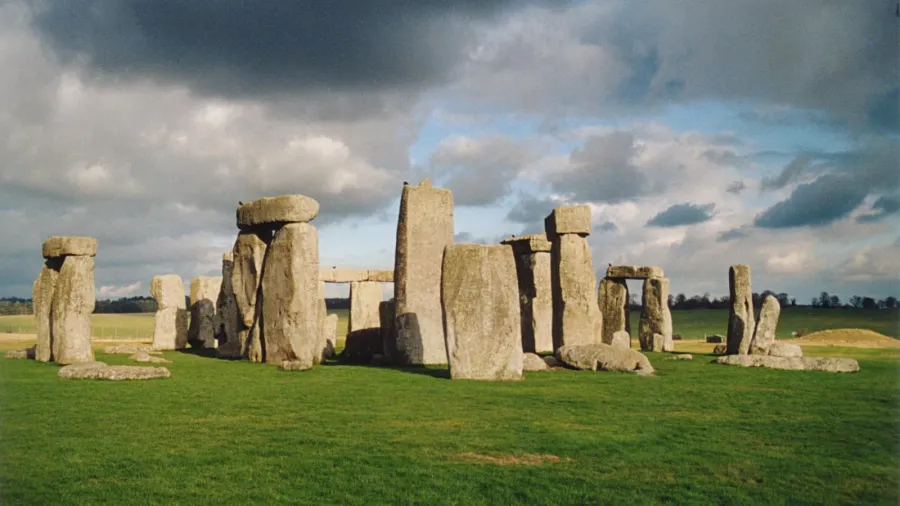
From Stonehenge to Sulawesi, over thirty-five thousand prehistoric megaliths reveal astonishing Neolithic engineering and ancient maritime navigation.
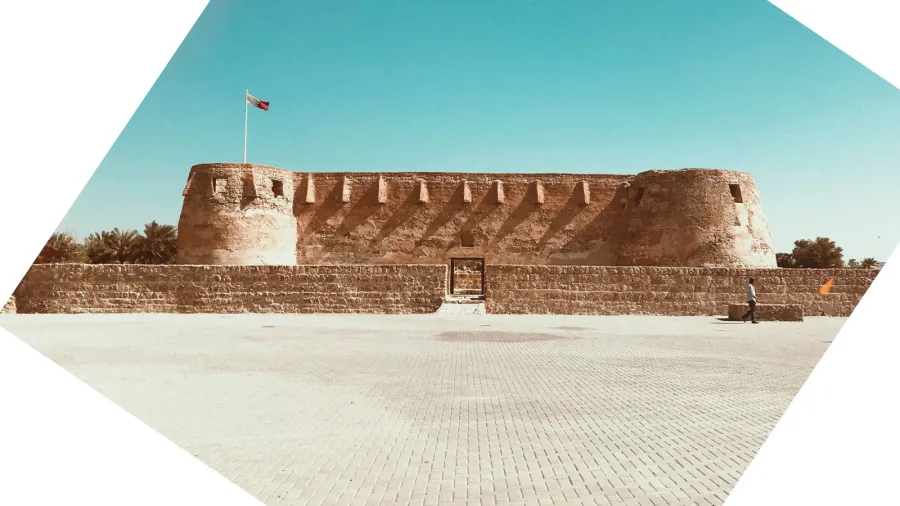
Built from coral limestone and palm wood, the 15th-century stronghold of Arad Fort controlled strategic sea passages across the Arabian Gulf.
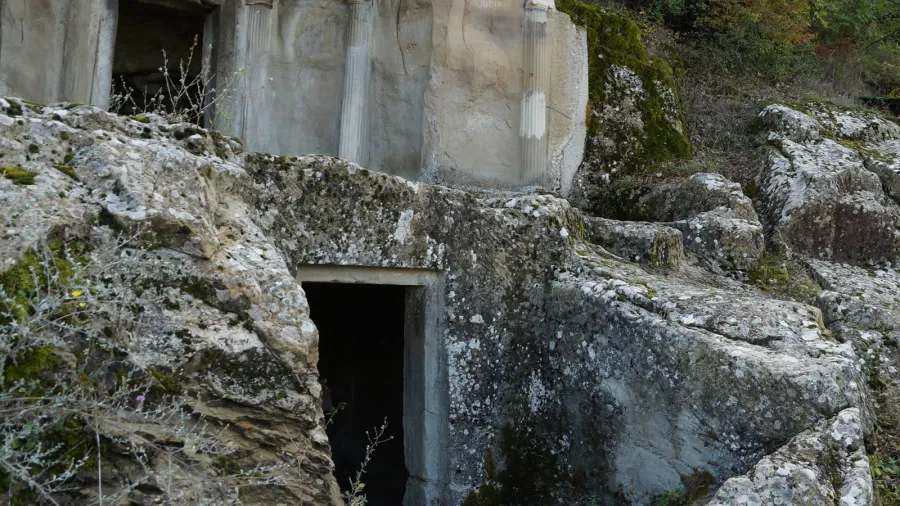
High above Albania's Shkumbin River, the monumental rock-cut tombs of Selcë e Poshtme reveal the lost Hellenistic architecture of ancient Illyrian royalty.