· Earth Enigmas · 5 min read ·
Prehistoric Megaliths: The Global Enigma of Ancient Stone Monuments
From Stonehenge to Sulawesi, over thirty-five thousand prehistoric megaliths reveal astonishing Neolithic engineering and ancient maritime navigation.
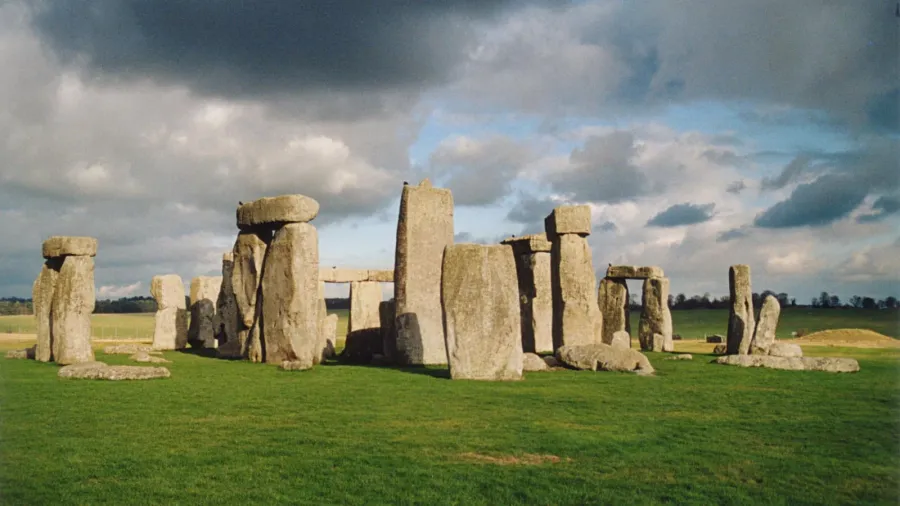
Across wind-scoured Atlantic coastlines, sunlit Mediterranean headlands, and dense equatorial valleys, colossal stones stand planted into the earth like deliberate anchors of deep time. More than thirty-five thousand of these prehistoric stone structures survive in Europe alone, spanning an arc from northern Sweden and the Orkney archipelago to southern Iberia and Malta. Thousands more dot Madagascar, the Korean peninsula, and the Indonesian archipelago. Known collectively as megaliths, these constructions represent the oldest monumental stone architecture ever built by human hands.
The word itself entered the scientific lexicon in 1849, when British antiquarian Algernon Herbert joined the Greek terms megas, meaning great, and lithos, meaning stone, to categorize monuments such as Stonehenge. For centuries, antiquarians attributed these stone circles, dolmens, and solitary menhirs to mythic figures: giants, Celtic druids, or wandering Phoenician prospectors. Modern archaeology, armed with high-precision radiocarbon dating, Bayesian statistical modeling, and archaeoastronomy, tells a far more compelling story of collaborative engineering and maritime navigation across early Neolithic societies.

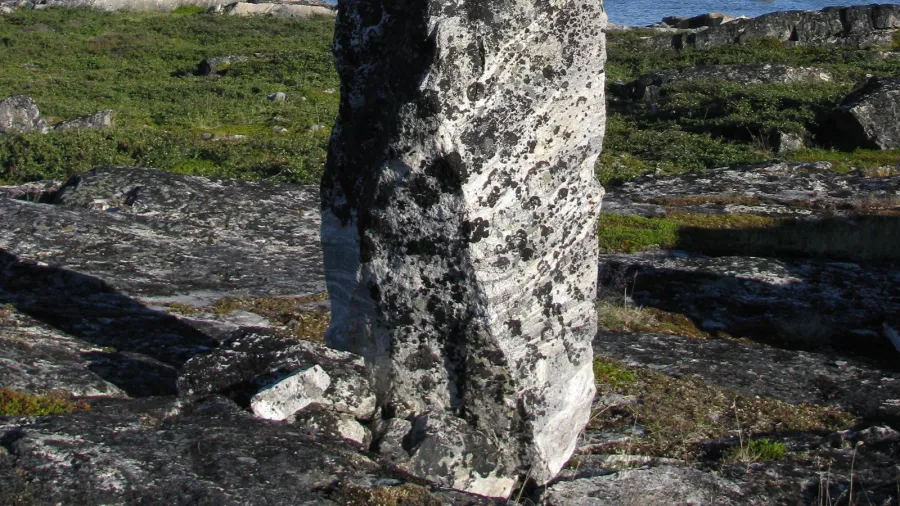
Figure 1: The Auchencar solitary standing stone menhir on the Isle of Arran, Scotland. Photo by Colin (CC BY-SA 3.0).
The earliest human communities to manipulate massive natural stone did so long before the advent of agriculture or metal tools. At Göbekli Tepe in southeastern Turkey, hunter-gatherer bands carved and erected concentric circles of twenty-ton T-shaped limestone pillars around 9500 BC, decorating them with wild beasts in high relief. Yet the explosive expansion of megalithic culture across western and northern Europe took place between 4800 BC and 2500 BC, accompanying the transition from foraging to settled agro-pastoralism.
A landmark study led by archaeologist Bettina Schulz Paulsson at the University of Gothenburg analyzed over 2,410 radiocarbon dates from megalithic burial sites across Europe. The results, published in the Proceedings of the National Academy of Sciences in 2019, resolved a debate that had divided prehistorians for a century. Rather than developing independently in isolated regional clusters, European megalithic architecture originated along the Atlantic coast of northwestern France, specifically in modern Brittany, around 4500 BC. From this maritime cradle, the tradition diffused in successive waves along seafaring trade routes, reaching the Iberian peninsula, the British Isles, and Scandinavia.

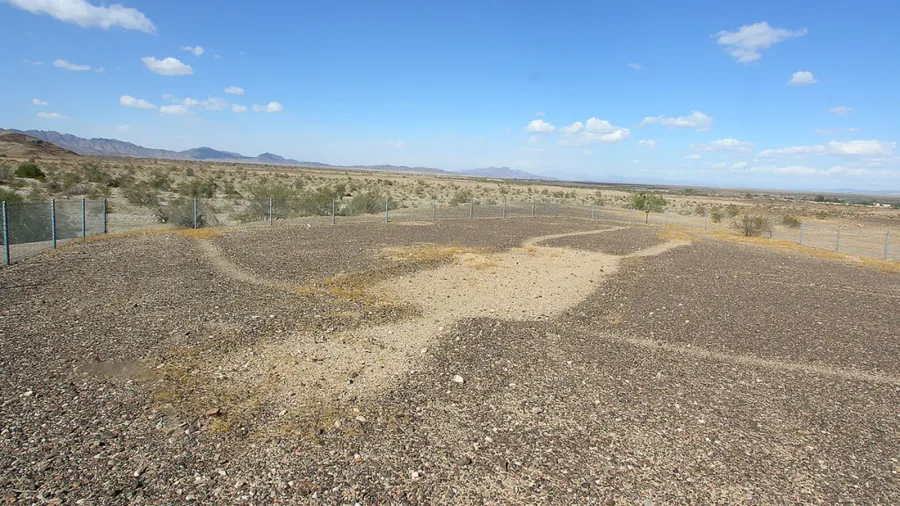
Figure 2: Sandstone monoliths of the Machrie Moor stone circle complex in western Scotland. Photo by Rowyn flowerdew (CC0).
Neolithic megaliths assume several distinct structural forms, each engineered for specific communal functions. Menhirs are solitary standing stones, erected either as territorial markers, commemorations of prominent individuals, or alignment points for celestial observation. When assembled in vast linear sequences, such as the Carnac alignments in Brittany where nearly three thousand stones stretch across four kilometers, they formed ceremonial avenues directing ritual processions across the landscape.
Dolmens and passage graves represent the funerary wing of megalithic architecture. A dolmen typically consists of two or more upright vertical orthostats supporting a massive flat capstone, creating an enclosed burial chamber. At complex sites like Newgrange in Ireland and Gavrinis in France, builders covered these stone chambers beneath enormous earthen or rubble mounds, accessed through long subterranean stone passages. On the winter solstice at Newgrange, the rising sun penetrates a specialized roofbox opening above the doorway, illuminating the central chamber with mathematical precision.

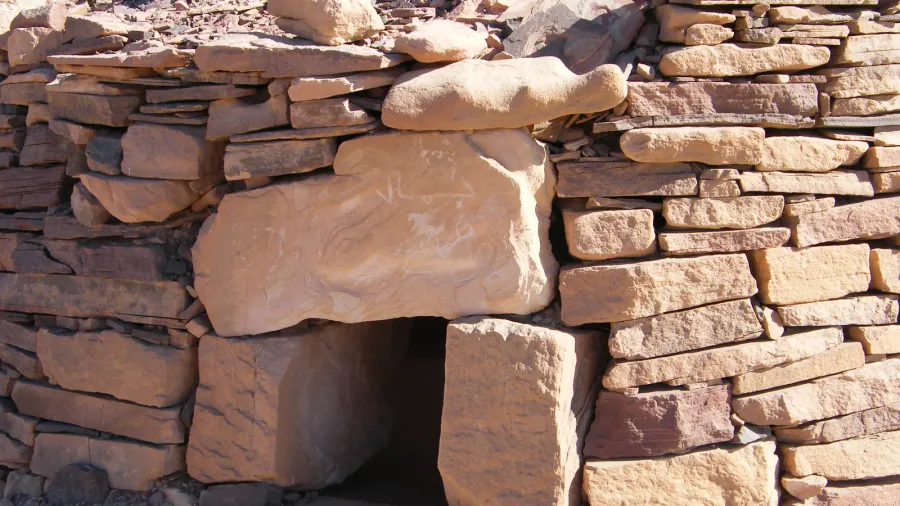
Figure 3: Weathered prehistoric standing stone overlooking coastal pastures on the Dingle Peninsula, Ireland. Photo by Maoileann (CC BY-SA 4.0).
The physics of megalithic construction reveals remarkable logistical ingenuity. Transporting stones weighing tens of tons required specialized timber sledges, greased wooden rails, and cordage woven from plant fibers. At Stonehenge, builders quarried spotted dolerite bluestones weighing two to four tons from the Preseli Hills in southwestern Wales, moving them more than two hundred kilometers across land and water to Salisbury Plain. The later sarsen megaliths, weighing up to thirty tons, were hauled thirty kilometers from the Marlborough Downs and shaped with flint hammerstones using mortise-and-tenon joints borrowed from timber woodworking.
Beyond logistical coordination, researchers have documented curious acoustic properties inside megalithic passage chambers. Investigations by acoustic archaeologists at sites across Britain and Ireland reveal that many chambers resonate at frequencies around 110 hertz. Chanting or drumming within these stone enclosures produces standing sound waves that amplify acoustic vibrations, creating sensory experiences that reinforced communal gatherings and seasonal assemblies.

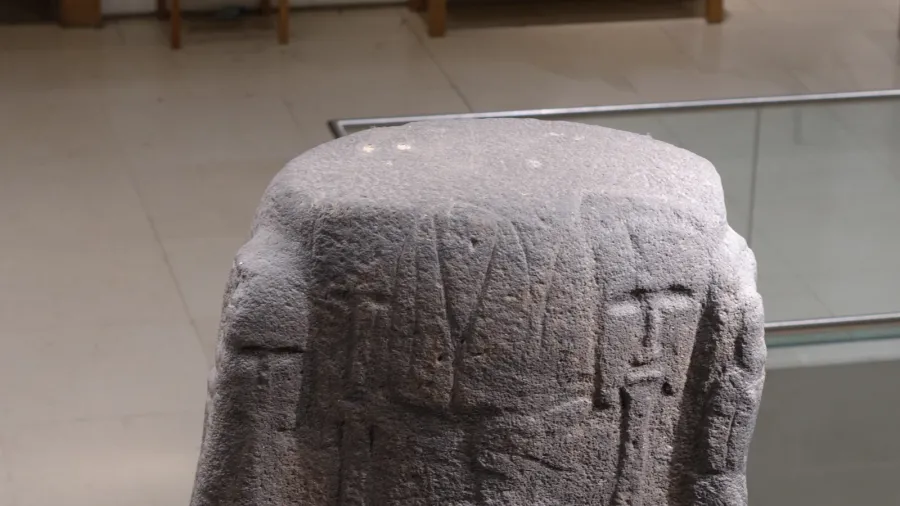
Figure 4: Ancient anthropomorphic megalithic statue preserved in the Bada Valley, Lore Lindu National Park, Indonesia. Photo by Lo2asinamura (CC BY-SA 4.0).
Megalithism was never confined to Europe. On the Korean peninsula, archaeologists have identified more than thirty thousand dolmens, representing roughly forty percent of all surviving dolmens in the world. Dating to the first millennium BC, these Bronze Age table tombs marked the resting places of regional chieftains. In the highlands of Central Sulawesi, Indonesia, prehistoric communities sculpted cylindrical stone vats and human-like megalithic figures throughout the Bada and Besoa valleys, dating between 3000 BC and 1300 AD.
Today, these enduring monuments continue to yield new discoveries. Ground-penetrating radar, LiDAR laser scanning, and geochemical analyses are uncovering hidden ritual landscapes surrounding known megaliths, revealing that individual standing stones formed parts of interconnected ceremonial networks spanning hundreds of square kilometers. Thousands of years after their builders departed, the megaliths preserve the earliest physical expressions of communal human purpose etched in stone.