· Geographic Paradoxes · 4 min read ·
Transcarpathia 1945: How Moscow Absorbed Eastern Czechoslovakia
In 1945, Soviet forces severed Carpathian Ruthenia from Czechoslovakia through orchestrated political committees, redrawing Central European borders overnight.
In October 1944, units of the Soviet 4th Ukrainian Front crossed the mountain passes of the Carpathians, driving Hungarian forces from the territory known as Subcarpathian Rus. In London, the Czechoslovak government-in-exile, led by President Edvard Beneš, viewed the Red Army’s advance as liberation. Czechoslovak diplomats had prepared for this moment since May 8, 1944, when Moscow signed a formal treaty guaranteeing that liberated Czechoslovak lands would return to civilian Czechoslovak administration once military operations moved westward.
That treaty lasted only weeks on the ground. Carpathian Ruthenia had formed the easternmost province of the First Czechoslovak Republic between 1919 and 1938, home to roughly half a million inhabitants including Ruthenians, Hungarians, Romanians, and a substantial Jewish population. When Hungary occupied the region in March 1939 during the dismemberment of Czechoslovakia, London and the Western Allies maintained that Prague retained legal sovereignty. Yet when Czechoslovak government minister František Němec arrived in the provincial town of Khust in late October 1944 to reestablish public administration, he found his mission cordoned off by Soviet security services.
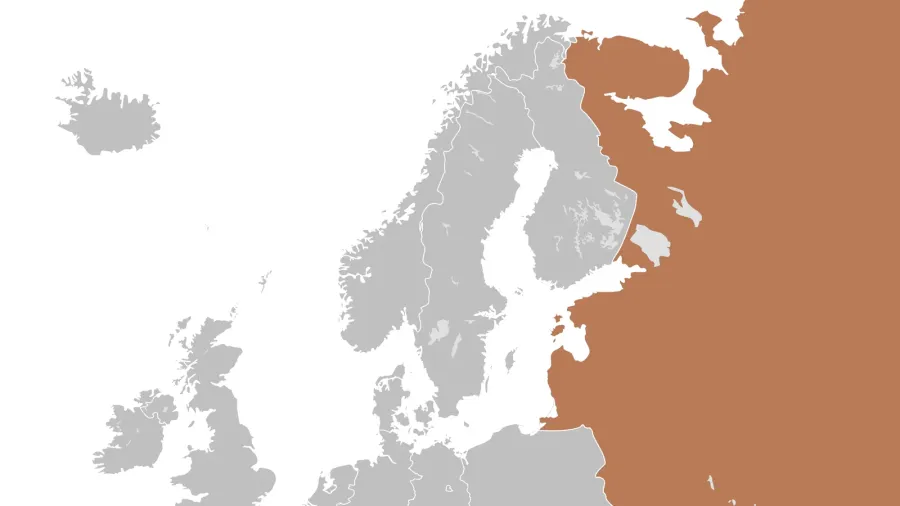
 Figure 1: The geopolitical transfer of Carpathian Ruthenia from Czechoslovakia to Soviet Ukraine redrew the strategic boundary of the Carpathian Mountains.
The isolation of the Khust mission
The Czechoslovak delegation set up headquarters in Khust on October 27, 1944, expecting to mobilize soldiers for the Czechoslovak army corps and organize civilian municipal councils. Instead, Soviet commanders and officers from the NKVD systematically restricted their movements. Red Army officers seized control of print presses, cut telephone lines to London, and confiscated public posters announcing Czechoslovak military conscription.
Němec was forced to rely on an underground radio transmitter to contact his cabinet ministers in London. While the Czechoslovak mission remained confined to its offices, local communist organizers directed by the Soviet military began mobilizing rural villages. Soviet authorities barred loyalist local officials, categorized political opponents as wartime collaborators, and promoted the idea that the local East Slavic population belonged inside Soviet Ukraine. Within three weeks of Němec’s arrival, the Czechoslovak delegation held authority in name only.
 Figure 2: The front page of Zakarpatska Ukraina in late 1944 printed the manifesto declaring separation from Prague and integration into the Ukrainian SSR.
The Mukachevo assembly and the engineered mandate
On November 26, 1944, delegates assembled in the city of Mukachevo for the First Congress of People’s Committees of Transcarpathian Ukraine. Guarded by Soviet troops and organized by local Communist Party officials, the congress passed a unanimous resolution requesting incorporation into the Ukrainian Soviet Socialist Republic. The assembly declared the region severed from Prague and demanded the departure of all Czechoslovak personnel.
Faced with open Soviet support for the Mukachevo resolution, Beneš realized that military resistance was impossible. The Czechoslovak mission departed Khust on February 1, 1945, leaving civil administration entirely in the hands of the pro-Soviet People’s Council. Back in Prague, leaders of the Czechoslovak Communist Party pressed the government to accept Moscow’s claims, arguing that public sentiment favored union with Ukraine.
The Moscow treaty of 1945 and long-term fallout
The diplomatic resolution followed on June 29, 1945, when Czechoslovak Prime Minister Zdeněk Fierlinger and Soviet Foreign Minister Vyacheslav Molotov signed the formal treaty of cession in Moscow. Czechoslovakia surrendered 12,777 square kilometers of territory and approximately 450,000 people to the USSR. In exchange, the treaty granted local residents the formal right to choose between Soviet and Czechoslovak citizenship, sparking an exodus of more than 120,000 residents who opted to move westward into Czechoslovak territory.
The transfer entered into legal force on January 30, 1946, creating Zakarpattia Oblast within the Soviet Union. By acquiring the southern slopes of the Carpathians, the Soviet Union secured direct rail junctions into Hungary, Romania, and Czechoslovakia, projecting military power across the Danubian basin for the remainder of the Cold War. For Czechoslovakia, the loss marked the first permanent territorial truncation of its prewar borders, demonstrating how Moscow transformed wartime alliances into instruments of geopolitical expansion.