· Earth Extremes · 5 min read ·
Nirmal Purja: The Gurkha Soldier Who Redefined High-Altitude Speed
Former British special forces operative Nirmal Purja climbed all fourteen 8,000-meter peaks in six months, transforming modern high-altitude mountaineering.

For decades, high-altitude mountaineering treated the fourteen peaks above 8,000 meters as a life’s work. Jerzy Kukuczka took nearly eight years to summit all fourteen. Reinhold Messner required sixteen years. The physical toll of the death zone, where atmospheric pressure drops to one-third of sea level, dictated lengthy recovery periods and cautious seasonal logistics. That standard collapsed in 2019 when Nirmal Purja, an ex-Gurkha and British special forces veteran, climbed every eight-thousander in six months and six days.
Purja’s project, named Project Possible, dismantled established assumptions about acclimatization, logistical velocity, and the physical limits of high-altitude recovery. By combining military planning with commercial helicopter logistics and elite Nepali rope-fixing teams, he forced the global climbing establishment to reconsider what was achievable in extreme mountain environments.
Military discipline meets the death zone
Purja was born on 25 July 1983 in Dana, a small village in the Myagdi District of Nepal. In 2003, at age nineteen, he enlisted in the Brigade of Gurkhas, an infantry regiment of the British Army. Six years later, he passed the selection course for the Special Boat Service, the maritime counter-terrorism unit of the Royal Navy. He became the first Gurkha to serve in the SBS, spending a decade deploying on covert reconnaissance and combat operations.
Military operations instilled a rigid approach to risk management, endurance under sleep deprivation, and high-tempo execution. High-altitude climbing began as recreation during military leave, but it quickly became an obsession. In 2014, Purja made his first ascent of Dhaulagiri. Two years later, he summited Mount Everest. By 2018, while still on active duty, he led an expedition to celebrate the Gurkha centenary on Everest, demonstrating an unusual physiological resilience to hypoxic stress. He resigned from the British military in early 2019, sacrificing his military pension to pursue an attempt at mountaineering history.
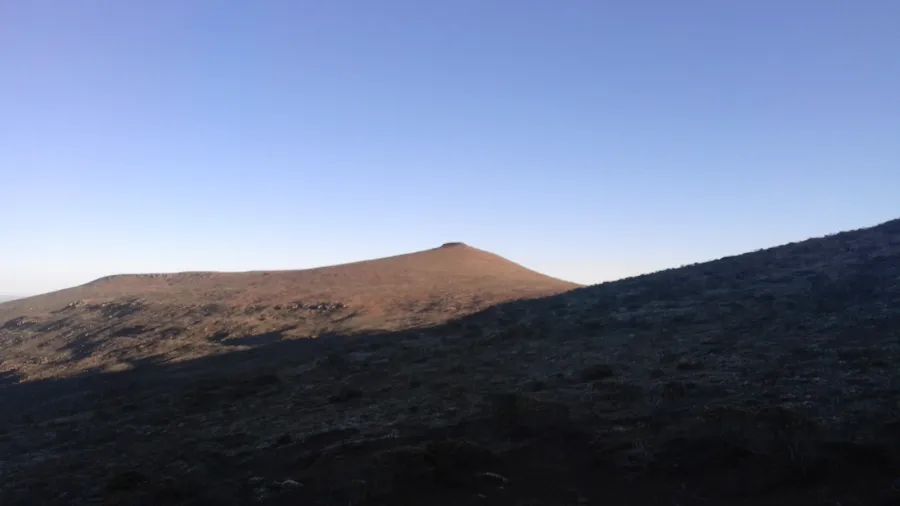
 Figure 1: Nirmal Purja reviewing high-altitude climbing equipment prior to an alpine rotation.
Project Possible and the fourteen peaks
The fastest recorded completion of all fourteen eight-thousanders stood at seven years, ten months, and six days, set by South Korean climber Kim Chang-ho in 2013. Purja proposed completing the circuit in seven months across three phases: Nepal, Pakistan, and Tibet. Critics in traditional alpine circles dismissed the timeline as reckless, arguing that weather windows and physiological fatigue made consecutive ascents impossible.
Phase one began on 23 April 2019 on Annapurna I, often considered the most dangerous peak in the Himalayas. Purja summited, descended, and immediately coordinated a rescue operation for stranded Malaysian climber Wui Kin Chin. Within weeks, he summited Dhaulagiri, Kanchenjunga, Mount Everest, Lhotse, and Makalu. Between 22 May and 24 May, Purja stood on the summits of Everest, Lhotse, and Makalu within a span of forty-eight hours, establishing a world speed record. A photograph he captured during that sequence, showing hundreds of climbers queued on the Everest Hillary Step, appeared on global front pages and ignited an international debate over commercial crowding on the mountain.
Phase two took his team to Pakistan during the summer monsoon. In July 2019, Purja completed Nanga Parbat, Gasherbrum I, Gasherbrum II, K2, and Broad Peak within twenty-three days. Phase three required Chinese diplomatic clearance to access Shishapangma, which had been closed to foreigners. The Nepali government intervened on his behalf, securing a special climbing permit from Chinese authorities. On 29 October 2019, Purja reached the summit of Shishapangma, closing the fourteen-peak loop in one hundred and eighty-nine days.
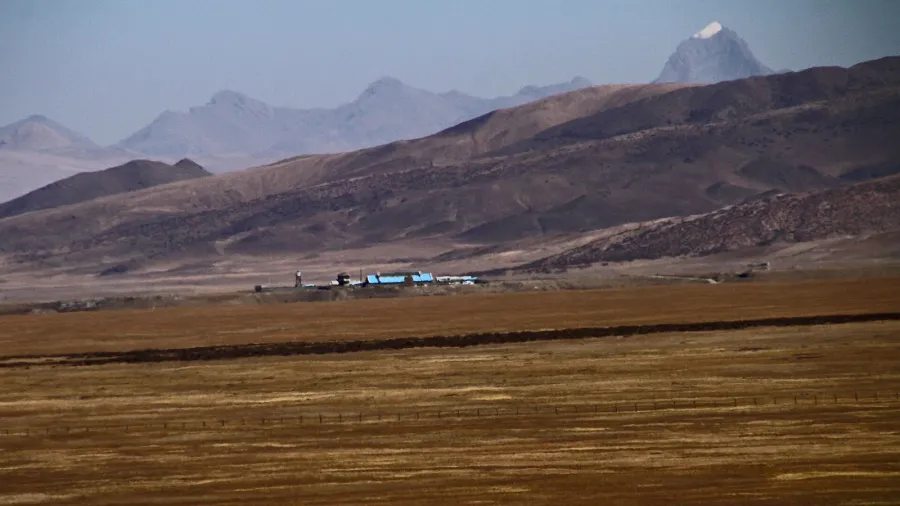
 Figure 2: The pyramid of K2 in northern Pakistan, where winter ascents had defied mountaineers for decades.
Breaking winter limits on K2
Completing all fourteen peaks brought global recognition, but Purja sought to solve the last remaining puzzle in Himalayan mountaineering: K2 in winter. Standing at 8,611 meters on the Pakistan-China border, K2 experiences winter summit winds exceeding hurricane force and temperatures dropping below minus sixty degrees Celsius. Since the first winter attempt in 1987, more than thirty expeditions had failed to reach the summit, with no team climbing higher than 7,650 meters.
In January 2021, Purja joined forces with Mingma Gyalje Sherpa’s expedition at K2 base camp. Recognizing that divided teams invited catastrophe, the ten Nepali climbers agreed to collaborate, fixing ropes through the Black Pyramid and the Bottleneck couloir. On 16 January 2021, amidst a rare high-pressure weather window, the team gathered ten meters below the summit. Singing the Nepali national anthem, all ten climbers stepped onto the highest point of K2 together at 4:58 p.m. local time. Purja climbed without supplemental oxygen, proving that human lungs could withstand the winter hypoxia of K2 without bottled gas. The ascent placed Nepali mountaineers at the center of alpine achievement, moving beyond the historical role of logistical support for foreign clients.
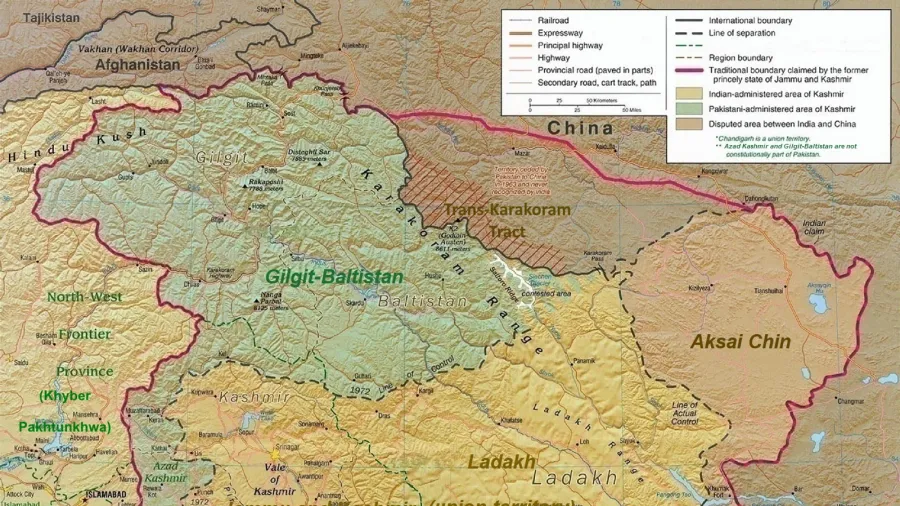
 Figure 3: The Godwin-Austen glacier corridor leading toward K2 and Broad Peak in northern Pakistan.
The Broad Peak avalanche and high-altitude legacy
Purja continued pushing alpine records after K2. He climbed all fourteen eight-thousanders without supplementary oxygen in two years and one hundred and fifty days, establishing a record that remains unbroken. His speed benchmark for the oxygen-assisted fourteen peaks stood until 2023, when Kristin Harila and Tenjen Sherpa completed the circuit in ninety-two days, building on the route logistics and operational pacing that Purja pioneered.
On 30 July 2026, disaster struck on Broad Peak in the Karakoram range. While guiding an international team on the upper slopes above Camp 3, a massive slab avalanche released across the climbing route. The slide swept through the expedition corridor, killing Purja and nine other mountaineers. The incident highlighted the persistent hazards of the Karakoram, where changing glacier dynamics and unpredictable snow loading challenge even the most experienced expedition leaders.
Purja left an indelible impact on modern mountaineering. He dismantled the myth of the slow expedition, elevated Nepali climbers from commercial support staff to global expedition leaders, and proved that military logistics could reshape exploration at the outer boundaries of human physiology.