· Cities & Capitals · 4 min read ·
The Unseen Hand: Tracing the Evolving Governance of Nicosia
Uncover the quiet evolution of Nicosia's civic administration, from its 19th-century origins to the surprising shifts in its governing heart and leadership.
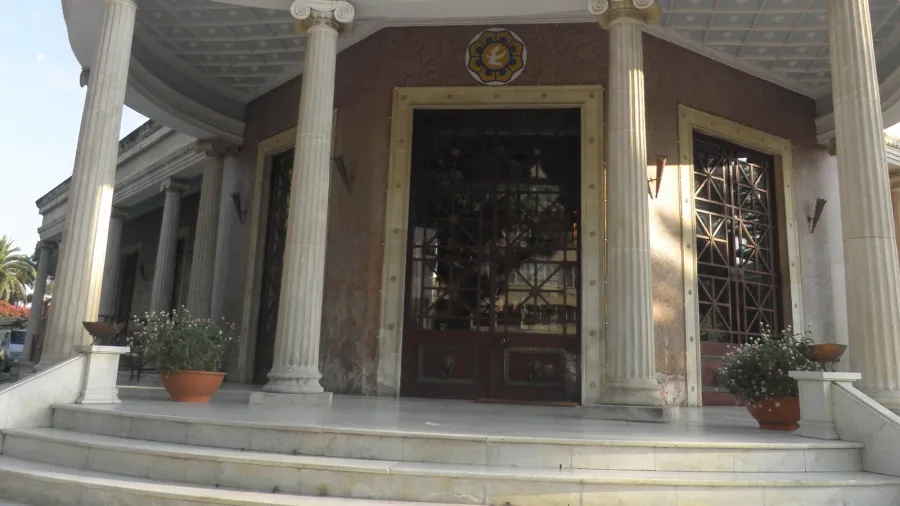
Nicosia, a city steeped in layers of history, is more than just its ancient walls and bustling streets. At its very core lies the Nicosia Municipality, the civic engine responsible for the daily rhythm and long-term vision of the Cypriot capital. Known as Dimos Lefkosias in Greek and Lefkoşa Belediyesi in Turkish, this singular entity embodies the administrative heartbeat of the city, tasked with the diverse duties that shape urban life. Its story is not one of grand monuments, but of persistent civic duty, legislative shifts, and the physical relocation of its administrative nerve center, charting a course through over a century of Cypriot history.
The formal genesis of this municipal authority can be traced back to the late 19th century, a period of significant administrative restructuring under British rule. The Municipal Ordinance of 1882 laid the foundational legal framework, paving the way for the election of the first municipal council. By November 1884, the machinery of local governance was firmly established, with a District Commissioner at the helm, notably assisted by both a Greek and a Turkish adviser. This early structure underscored a nascent attempt at inclusive civic management, reflecting the varied fabric of the city even in its formative administrative years.

The early 20th century brought its own set of challenges and reforms. In 1930, new municipal legislation was enacted, introducing a critical layer of accountability by making the newly formed corporations subject to government audit. This move aimed to centralize control and ensure fiscal responsibility. However, the political landscape remained volatile. Following the significant uprising of 1931, the autonomy of municipal councils was curtailed, as they were subsequently supplemented by government appointees. It was not until 1943, amidst the global turmoil of World War II, that municipal elections were reintroduced, signaling a return to more democratic local representation and a renewed emphasis on civic participation.
Beyond the legislative shifts, the physical presence of the Nicosia Municipality also evolved, mirroring the city’s own growth and changing needs. The very first municipal office, a humble beginning for such a pivotal institution, was located in the premises of Chariklia Argirides within the bustling Nea Agora area. This initial location served as the operational hub for the city’s nascent administration, a place where civic decisions were first deliberated and implemented, laying the groundwork for the urban services Nicosia would come to rely upon.
As the city expanded and its administrative demands grew, the municipal offices embarked on a series of moves. In 1897, the civic heart relocated to the house of Efrosini Tarsi on the historic Ledra Street, placing it squarely within one of Nicosia’s most vibrant commercial arteries. From there, it moved again, settling into a dedicated space that would eventually lend its name to the surrounding area: Municipality Square, a clear indication of its growing prominence. The most intriguing relocation occurred in 1944, when the offices temporarily found a home in a building within the cabaret of Luna Park, perched on the Bastion Davila and offering a commanding view over what would become Eleftheria Square. This unusual, yet strategic, temporary abode highlights the adaptability and resourcefulness of the city’s governance during periods of flux.

Through these legislative reforms and physical migrations, the leadership of the Nicosia Municipality has remained a constant, guiding the city through its transformations. Since 1959, a succession of mayors has held the reins, each contributing to the ongoing development and administration of the capital. From Diomedes Skettos to George M. Spanos and Lellos Demetriades, these individuals have overseen the practicalities of urban life, from infrastructure to public services. The Nicosia Municipality, in its various forms and locations, continues to be the essential, if often unseen, force that shapes the daily realities and future aspirations of one of Europe’s most historically layered cities.