· Natural Wonders · 3 min read ·
How a Bottled Mineral Spring on Mount Kloto Became Togo's Most Visited Cascade
Deep in the Missahoé canopy, a mountain torrent once tapped for Togo's only commercial mineral water now stands as the country's most frequented cascade.
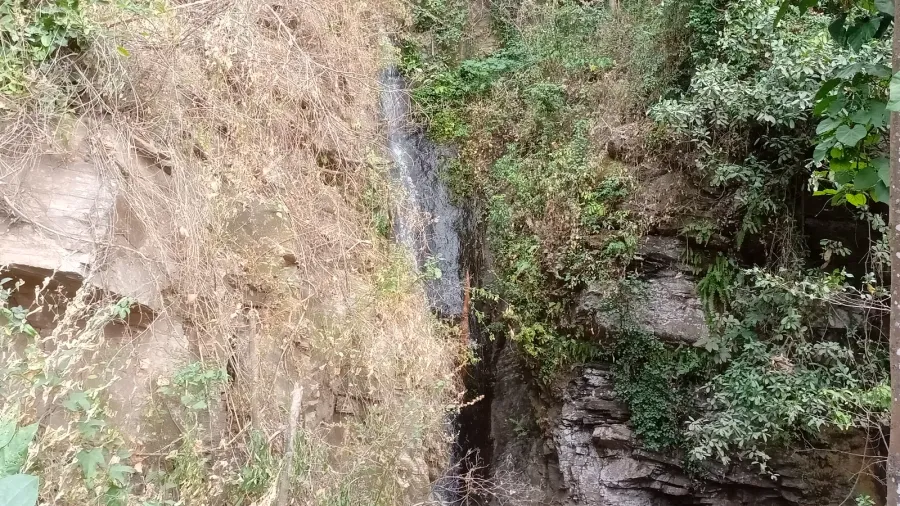
Humid air clings to the dense evergreen canopy of the Kloto highlands, where cold mountain water strikes a dark amphibolite shelf before plunging into a sunlit forest basin. Long before travelers began trekking along the forested corridor linking Kpalimé to Kuma-Konda, this rushing mountain stream served an entirely industrial purpose. Through the 1970s and 1980s, the pristine volume discharging from Mount Kloto was captured, filtered, and sealed into bottles distributed across West Africa under the commercial label “Cascade,” operating as the sole domestic mineral water enterprise in Togo.
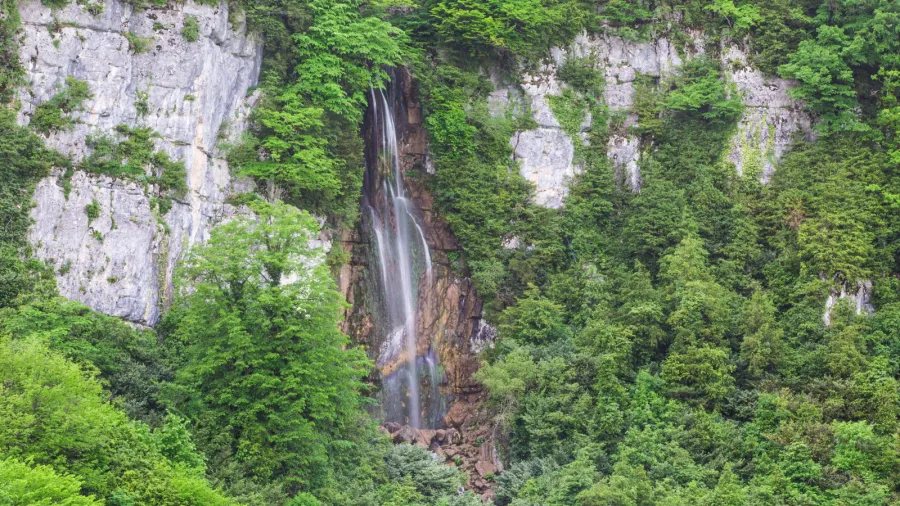
The hydrological engine behind this operation is the Kamalo stream, a perennial high-elevation drainage carving through the heart of the Missahoé Protected Forest (Forêt classée de Missahoé). Rising high on the ridgeline of Mount Kloto within the Togo Mountains chain, the stream cuts through fractured quartzite and crystalline gneiss before dropping steeply into the valley. Unlike many seasonal cataracts across the Plateaux Region that dwindle during the dry harmattan winds blowing off the Sahara, the high catchment elevation and dense cloud-forest canopy maintain a steady, mineral-rich flow throughout the annual cycle.
 Figure 1: The rocky torrent of Kamalo Falls cascading through the protected mountain forest of Missahoé.
The geological setting provides the unique water chemistry that initially attracted commercial bottlers. Rainwater percolating through the heavily forested upland soils slowly filters through deep metamorphic bedrock fissures. This underground transit strips organic particulates while enriching the water with silica and magnesium. When the stream emerges at surface level above the cataract, its clarity and consistent volume made it an ideal candidate for industrial extraction. For decades, water intake pipes channeled significant portions of the flow into bottling facilities downhill, fueling urban consumption in Lomé while the cataract remained largely inaccessible behind industrial concessions.
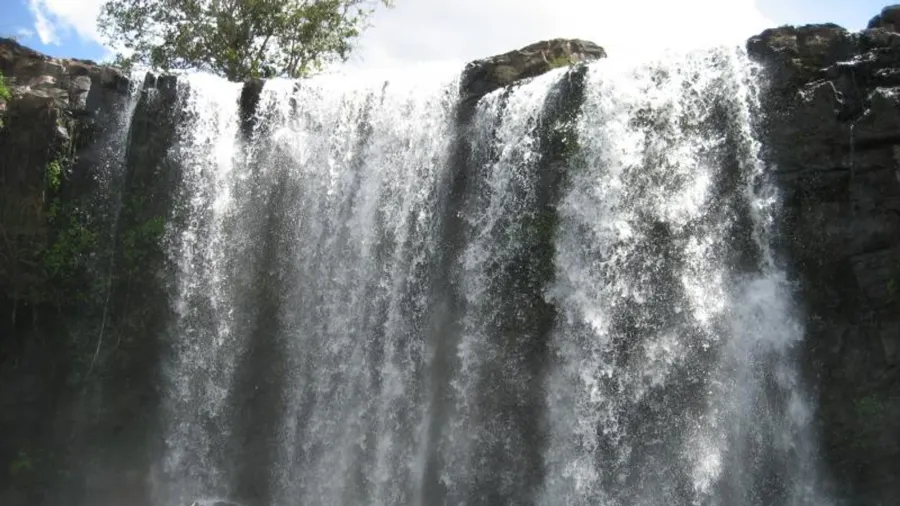
 Figure 2: The evergreen highland canopy of the Missahoé Protected Forest, which sustains the perennial mountain watershed of Mount Kloto.
Economic shifts and operational restructuring in the early 1990s brought an abrupt end to the “Cascade” bottling era at the site. The infrastructure was decommissioned, leaving the mountain torrent to reclaim its natural gravel-strewn channel. Almost immediately, the site began an unexpected second life. The extension of the paved highway running west from Kpalimé toward Kuma-Konda transformed access to what had been a secluded mountain watershed, turning the quiet torrent into Togo’s most visited waterfall.
The human landscape surrounding the cataract runs far deeper than its twentieth-century bottling history. The falls sit between the historic settlement of Missahoé and the village of Agomé-Yoh, the traditional seat of authority for the Agomé people, an Ewe subgroup that settled these fertile mountain valleys during the eighteenth century. Along the old forest paths connecting the waterfall to the lower valley, remnants of stone foundations and overgrown infrastructure date back to the German colonial era of Togoland, when early botanical and agricultural expeditions sought to exploit the temperate highland microclimate for cocoa and coffee cultivation.
Today, the ongoing flow of Kamalo Falls highlights the delicate equilibrium between conservation and tourism in West Africa’s remaining tropical forests. Enclosed within the protected Missahoé perimeter, the waterfall remains shielded from the intense agricultural clearing that characterizes the lower plains. Its evolution from a closed industrial utility into a public regional landmark mirrors the shifting value placed on intact mountain watersheds across the Guinean forest-savanna mosaic.