· Castles & Palaces · 4 min read ·
Why a Bengali Maharaja Built an Earthquake-Proof Iron Castle for British Royalty
Forged from British cast iron and Burmese teak, Bengal's Alexander Castle survived massive earthquakes to host Tagore, Gandhi, and royal dignitaries.

In June 1897, the Great Assam Earthquake ruptured the earth along the northern rim of the Bengal Basin, leveling masonry mansions and fracturing colonial cantonments across northeast India. Yet in Mymensingh, seventy miles south of the epicenter, an unusual two-story hybrid structure barely shifted. Known locally as Lohar Kuthi (the Iron Cottage), the building had been constructed using an architectural strategy virtually unheard of in nineteenth-century South Asia: a skeletal frame of imported British cast iron, interlocking timber joints, and flexible Burmese teak decking rather than brittle brick mortar.
The Muktagacha Zamindars and the Gilded Outpost
Behind this experimental design was Maharaja Suryakanta Acharya Chowdhury, the flamboyant zamindar of Muktagacha whose territorial holdings spanned large tracts of eastern Bengal. In 1879, to mark the centenary of British civil administration in the Mymensingh district, Suryakanta commissioned a garden retreat that would broadcast both imperial allegiance and engineering sophistication. At an expenditure of 45,000 silver rupees, iron components were shipped overseas from Glasgow and hauled upriver along the Brahmaputra before being erected on a sprawling estate east of the administrative court.
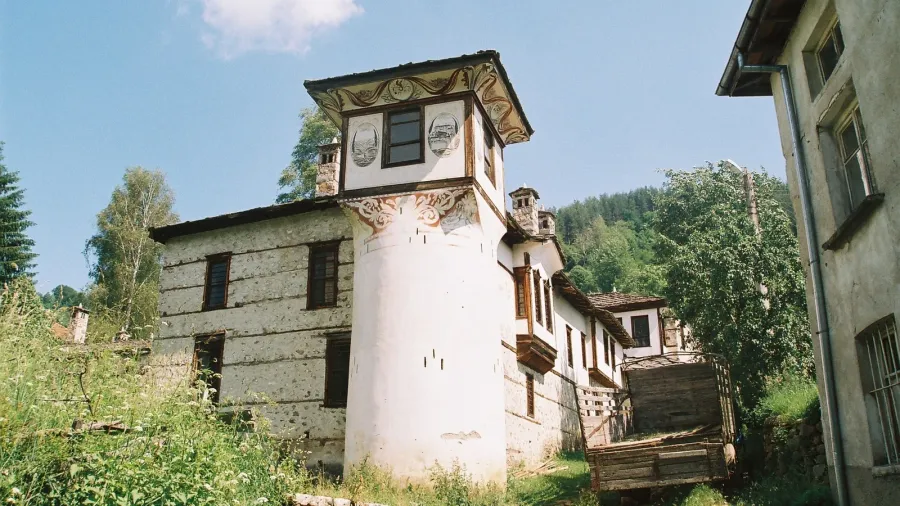
 Figure 1: The dual-tier verandas of Alexander Castle combine Victorian prefabricated iron stanchions with ornate wooden brackets tailored for tropical ventilation.
The resulting villa was christened Alexandra Castle in tribute to Alexandra of Denmark, then the Princess of Wales and future Queen Empress of the British Empire. Surrounding the perimeter, the Maharaja excavated a decorative lake, laid formal carriage drives, and installed imported Greco-Roman marble statuary beneath imported European flora. The interior was outfitted with Greek white marble flooring, silver-leaf mirrors, and custom-milled wooden ceiling panels designed to disperse the oppressive delta humidity.
Engineering Against the Quakes of Bengal
The decision to abandon traditional stone and brickwork reflected acute regional pragmatism. Bengal’s alluvial soil and recurring seismic tremors along the Dauki Fault made heavy multi-story brick masonry prone to catastrophic structural collapse. By anchoring iron columns deep into a brick foundation and fastening the primary load-bearing beams with bolted iron brackets, the builders created a flexible structural cage capable of absorbing seismic shock waves.
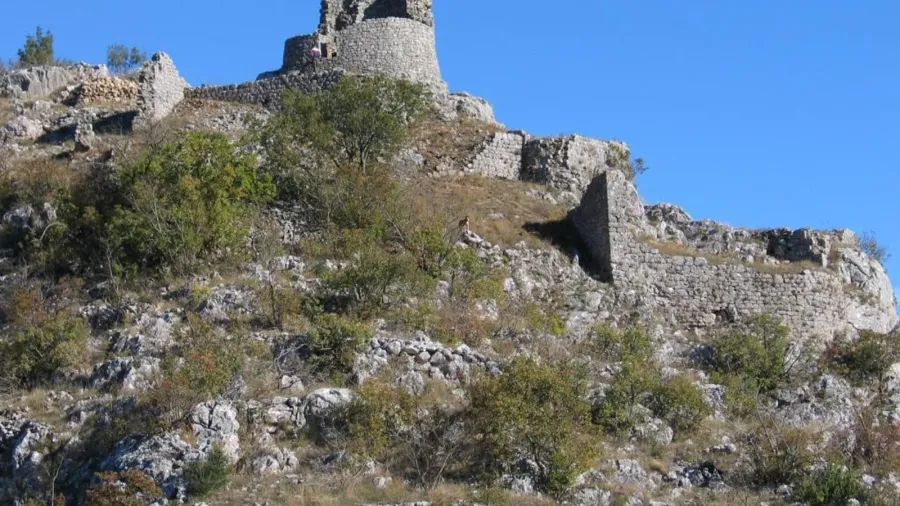
 Figure 2: The external staircase and balcony framing showcase the cast-iron skeleton that earned the palace its Bengali moniker, Lohar Kuthi.
When the magnitude 8.0 Assam shock struck on June 12, 1897, destroying the nearby masonry palace of Shashi Lodge, Alexandra Castle flexed and settled on its iron bearings without suffering fatal damage. It proved that prefabricated modular metalwork could outlast conventional stone in active seismic zones.
The Sanctuary of Revolutionaries and Nobel Laureates
Because of its palatial appointments and security, Alexandra Castle quickly evolved from a private aristocratic salon into a premier diplomatic guesthouse. In 1904, Lord Curzon, Viceroy of India, stayed at the castle during his tour to consolidate administrative support for the upcoming Partition of Bengal.
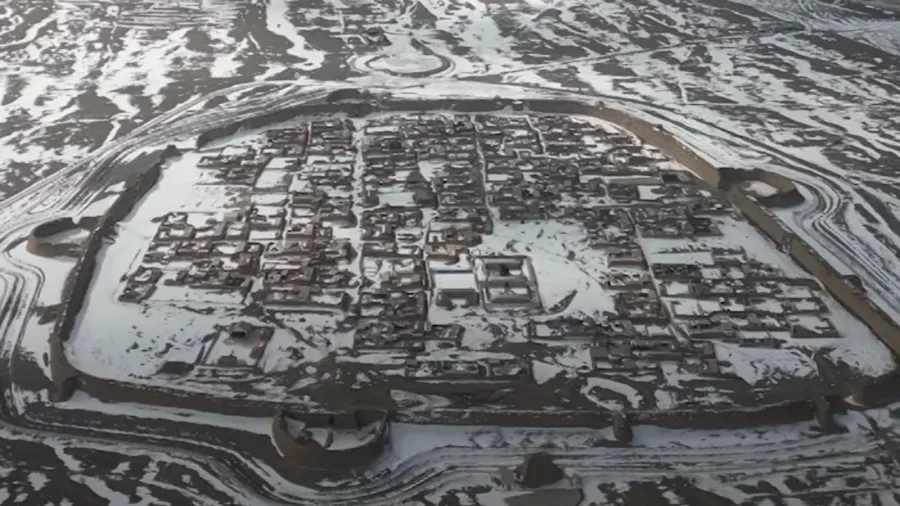
 Figure 3: Geometric fretwork and iron balcony balustrades created a light, permeable facade that shielded the interior from monsoon squalls.
Two decades later, the castle hosted the intellectual vanguard of the Indian independence movement. In mid-February 1926, Asia’s first Nobel laureate, Rabindranath Tagore, arrived in Mymensingh at the personal invitation of the Acharya family. Tagore took up residence in the castle’s airy upper chambers for four days, composing lyric poetry beneath an ancient camphor tree on the lawn while accompanied by Italian Sanskritist Giuseppe Tucci. That same year, Mahatma Gandhi arrived during his nationwide non-cooperation campaign, speaking to local organizers from the veranda. Nationalist leaders Netaji Subhas Chandra Bose and Chittaranjan Das also convened strategic councils inside its halls.
From Aristocratic Splendor to Academic Relic
The decline of Alexandra Castle mirrored the collapse of the colonial feudal order. Following the 1947 Partition of India and the passage of the East Bengal State Acquisition and Tenancy Act of 1950, zamindari estates were officially dissolved. The government took possession of the property, integrating the grounds into the newly established Teachers’ Training College for Boys.
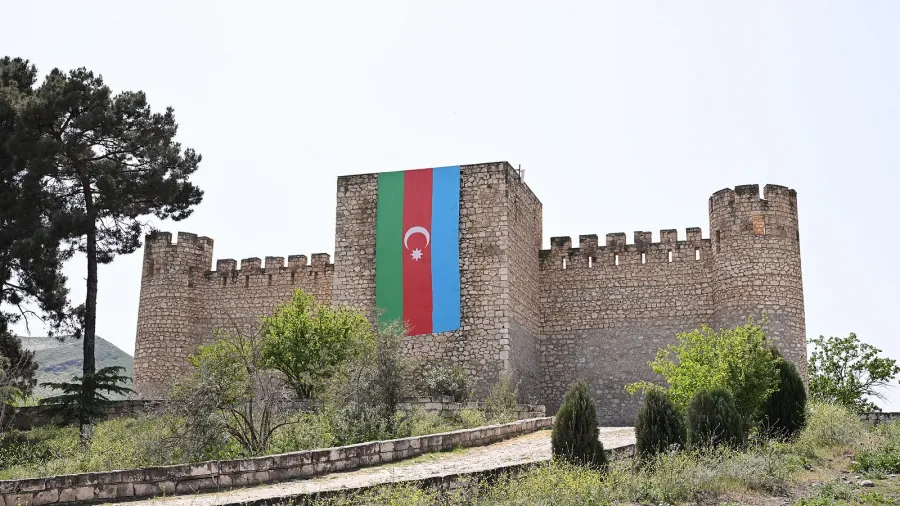
 Figure 4: Standing amid the modern campus of the Teachers’ Training College, the 1879 iron structure now serves as an academic archive.
The grand ballroom with its Italian marble tiles was repurposed to house thousands of academic volumes, while the expansive manicured grounds were hemmed in by contemporary institutional classrooms. Today, tropical rust stains the exposed iron stanchions, yet the Victorian hybrid framework remains firmly anchored in the Mymensingh soil, an enduring physical record of architectural daring and political intersection.