· Castles & Palaces · 4 min read ·
Bulgaria's Hidden Ottoman Winter Palace: A Feudal Dynasty's Legacy
Deep in Bulgaria's Rhodope Mountains lies a sprawling 19th-century Ottoman estate, a unique architectural marvel built for a powerful Pomak feudal lord and his sons.
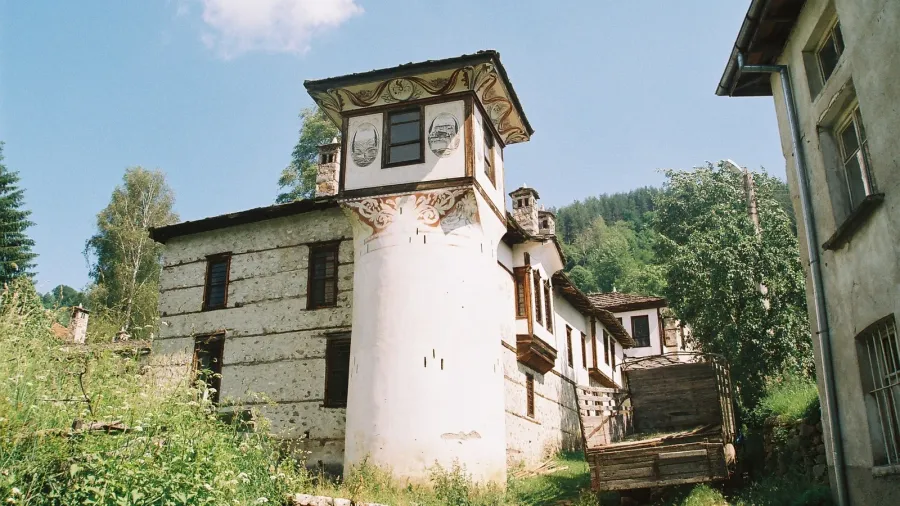
High in the rugged embrace of Bulgaria’s southern Rhodope Mountains, where ancient peaks meet forgotten valleys, stands an architectural enigma: the Agushevi konatsi. More than just a grand house, this sprawling complex, built in the 19th century, represents a “konak” – a palatial residence, a tangible link to a bygone era of Ottoman feudal power. It is a winter estate, a fortress of domesticity, carved into the landscape of Mogilitsa village, far from the bustling centers of empire.
The konatsi bears the name of its formidable owner, Agush Agha, a figure whose influence once spanned the region. A feudal lord of Pomak origin, Agush Agha was the son of Hacı Osman, and his authority extended across the Agaluk of Ahiçelebi, an Ottoman administrative unit centered around Paşmaklı, known today as Smolyan. This estate was not merely a dwelling; it was the seat of his power, a visible manifestation of his family’s dominion over the land and its people.
Construction of this monumental complex began around 1820, continuing for two decades, with some accounts suggesting completion as late as 1842. It was meticulously designed not just for Agush Agha himself, but also to accommodate his three sons: Hüseyin, Salih, and Arif. The architectural ambition is striking: three consecutive, almost identical large residential edifices, each complete with its own courtyard, form a cohesive yet distinct whole. This multi-generational design speaks volumes about the family’s enduring legacy and their desire for both unity and individual space within a shared domain.
The sheer scale and intricate detailing of the Agushevi konatsi set it apart. Its robust stone walls and timber elements speak of both defensive strength and domestic comfort, a synthesis characteristic of the era’s grand residences. The complex stands as a unique example of regional Ottoman architecture, reflecting the specific cultural and historical context of the Rhodopes. It’s a place where the practicalities of a mountain winter estate meet the aspirations of a powerful feudal family, creating an environment both imposing and intimate.
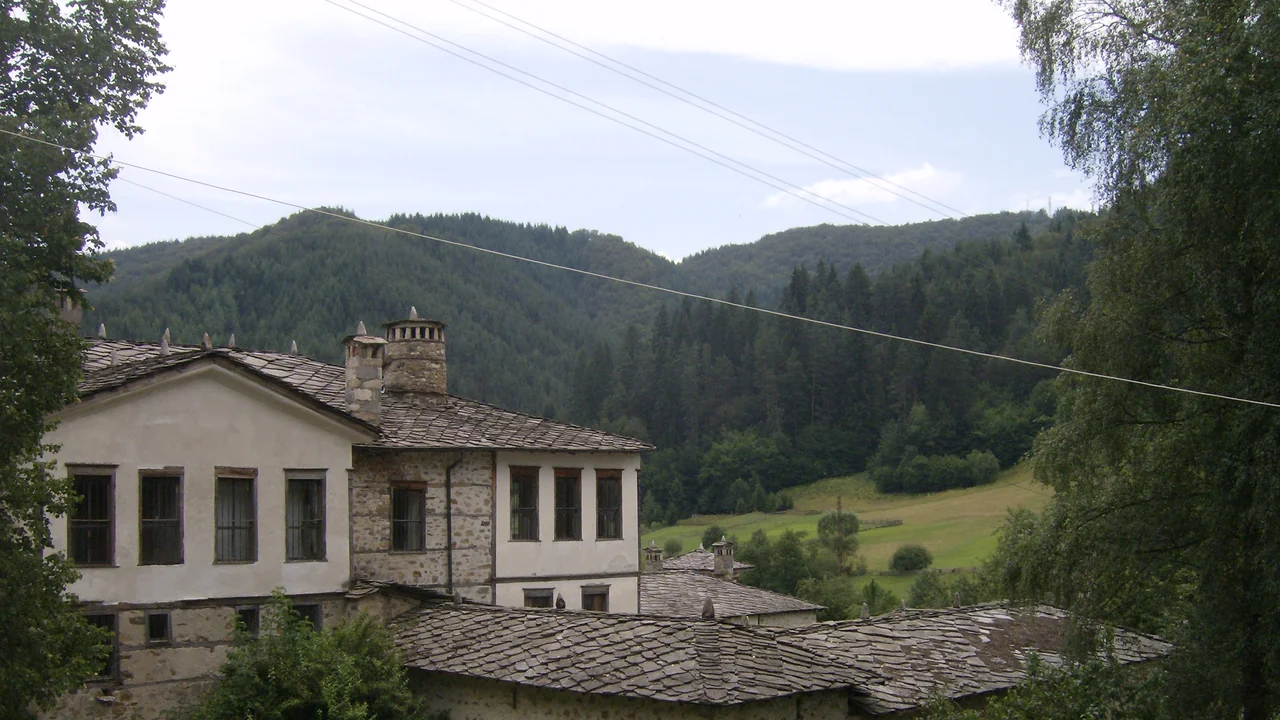
Its strategic yet secluded location in Mogilitsa village, approximately 25 kilometers south of the modern town of Smolyan, underscores its historical significance. Situated deep within the Rhodope Mountains, the konatsi was at once a center of local power and a relatively isolated stronghold. This geographical positioning would have offered both protection and control over crucial mountain passes and resources, integral to the feudal system of the time. The surrounding landscape, rugged and beautiful, forms an integral part of its story, shaping its character and purpose.
Today, the Agushevi konatsi is recognized for its profound historical and architectural value, having been declared a national monument of art and culture by Government Order No PMC 388 on December 30, 1964. This official designation acknowledges its singular place within Bulgaria’s heritage, preserving a tangible link to the Ottoman past and the unique culture of the Pomaks in the Rhodopes. Its three grand structures, with their courtyards, continue to evoke the lives of Agush Agha and his sons, inviting visitors to ponder the stories etched into their ancient walls.
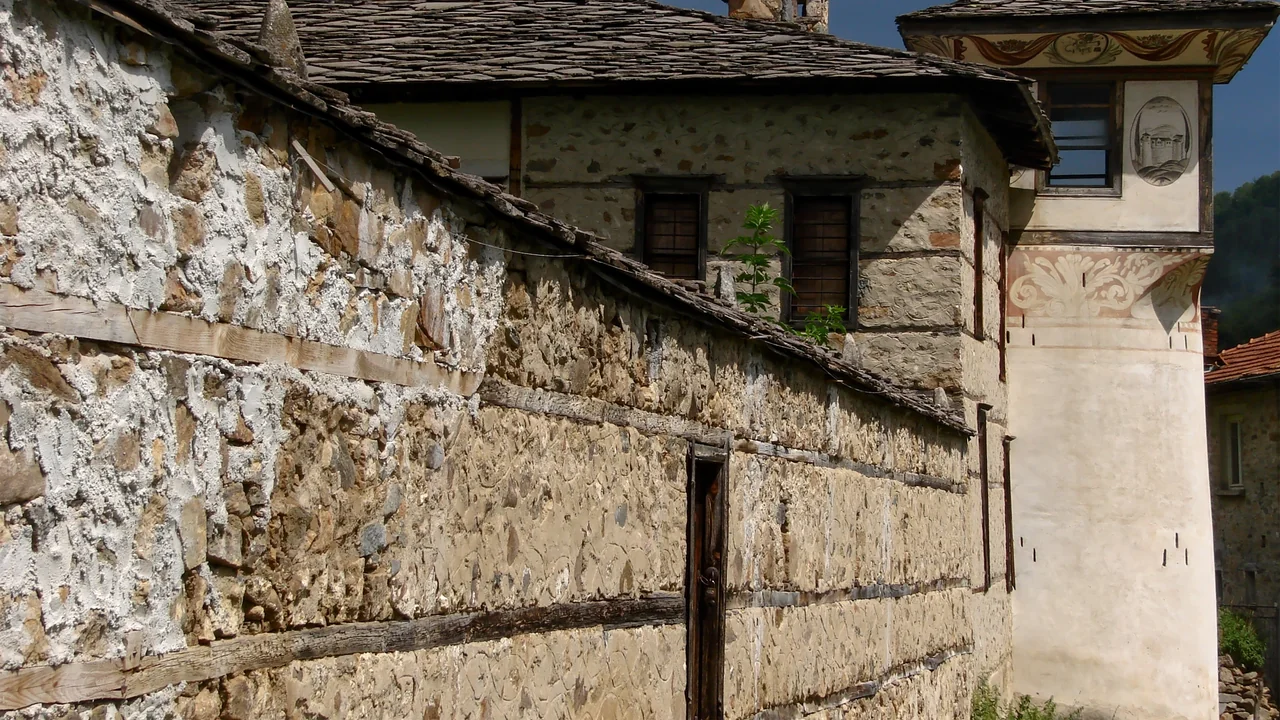
The Agushevi konatsi remains a powerful, silent witness to centuries of history, a complex structure that transcends mere dwelling to become a symbol of a family’s ambition, a region’s identity, and the intricate layers of cultural influence that shaped southern Bulgaria. It stands as a remarkable, if often overlooked, chapter in the architectural narrative of the Balkans, awaiting discovery by those drawn to its compelling, deeply rooted past.