· World Landmarks · 3 min read ·
What Ancient Secrets Whisper From Albania's Rozafa Castle Walls?
Perched dramatically above Shkodër, Rozafa Castle guards centuries of Illyrian and Venetian history, its stones echoing tales of ancient power.
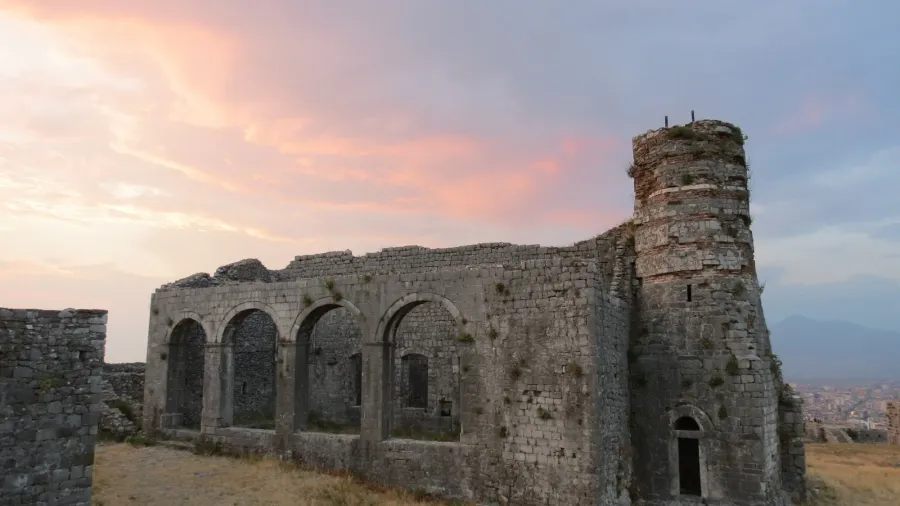
High above the ancient city of Shkodër, in the rugged northwestern reaches of Albania, an imposing silhouette dominates the horizon. Rozafa Castle, or Kalaja e Rozafës as it is known locally, rises with defiant grace from a rocky hill, some 130 meters (430 ft) above sea level. This formidable stronghold commands a breathtaking panorama, strategically embraced by the confluence of the Buna and Drin rivers. Shkodër itself, one of Albania’s most venerable and historic towns, has long served as a vital cultural and economic nexus, its identity inextricably bound to the fortress that has watched over it for millennia.
Yet, the story of Rozafa begins far earlier than its most visible stone layers suggest. The very hill upon which it stands was first settled in the Early Bronze Age, hinting at an enduring human appreciation for its defensive advantages. The earliest fortifications unearthed here date back to the 4th-3rd century BCE, forming the formidable citadel of the Illyrian city of Skodra. This ancient capital, along with its thriving lower city, flourished under the Labeatae tribe, reaching a zenith of power and influence particularly during the reign of King Gentius, whose legacy is etched into the very foundations of this site.
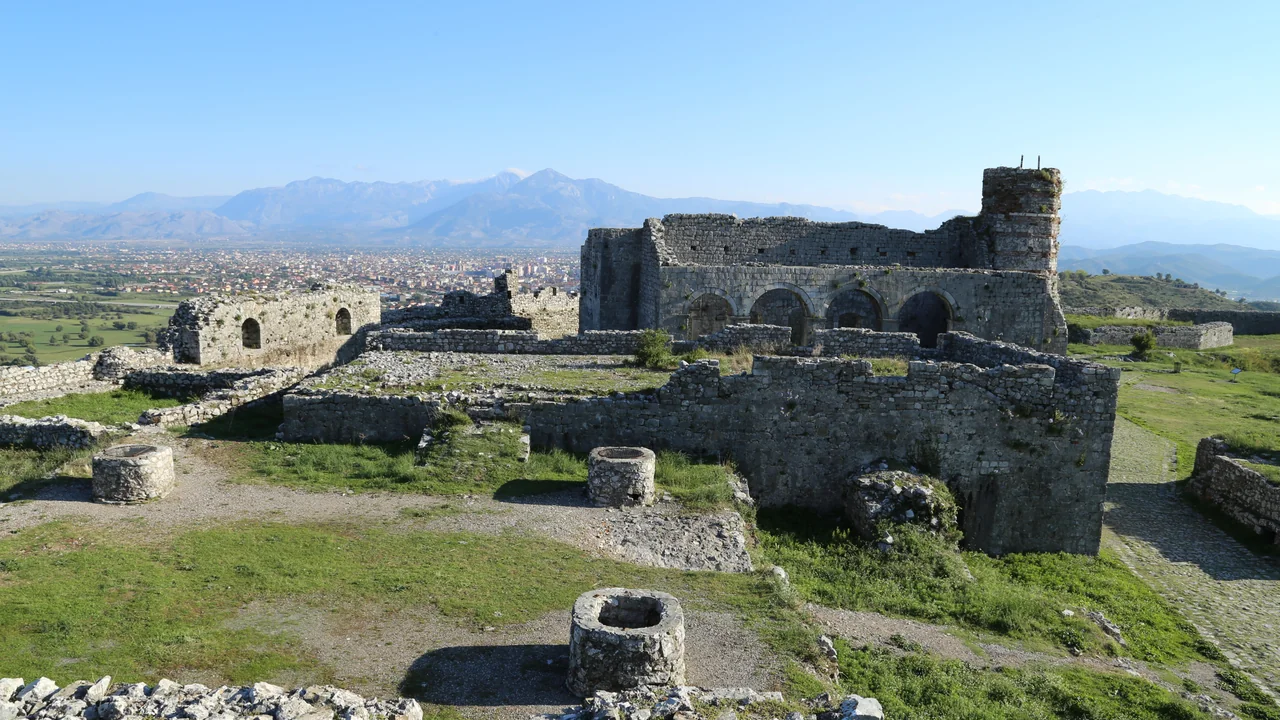
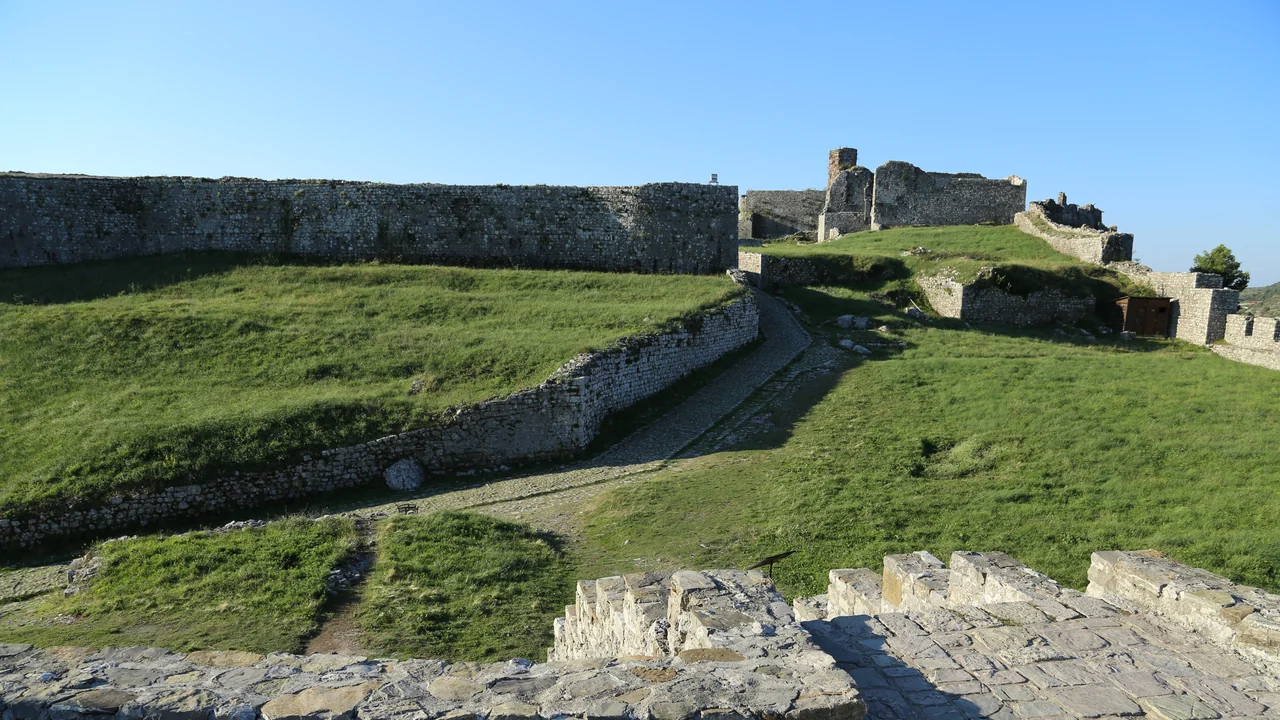
While the castle’s origins delve deep into Illyrian antiquity, the walls that largely define its present-day appearance tell a different story of successive occupations and architectural evolution. The most prominent and visible constructions that crown the hill today are predominantly of Venetian origin. This architectural layering speaks volumes about the enduring strategic importance of the site, a stronghold continuously adapted and reinforced by various powers seeking to control this crucial junction of rivers and trade routes.
Even the name ‘Rozafa’ carries an air of mystery and historical debate. While several legends have circulated regarding its etymology, scholars have meticulously traced its linguistic roots to Resafa, the ancient city where Saint Sergius met his end. This connection is not arbitrary; Shkodër and its surrounding region possess a long and well-documented tradition of venerating Saint Sergius, locally known as Shirgji, weaving his spiritual presence into the very fabric of the land. The castle is also, perhaps more simply, known by the name of the city it protects: Shkodër Castle.
From its commanding position, Rozafa Castle has overseen countless generations and witnessed the ebb and flow of empires. Its strategic perch, overlooking the fertile plains and the vital waterways formed by the Buna and Drin, ensured its continuous relevance through different eras. It served not merely as a defensive bulwark but as a symbol of power and continuity for those who held its walls, from Illyrian kings surveying their domain to Venetian governors overseeing their Adriatic territories.
Today, Rozafa Castle stands as a silent chronicler of Albanian history, its weathered stones a physical record of the diverse cultures and conflicts that have shaped this corner of the Balkans. It invites visitors to walk through its ancient courtyards, to trace the outlines of forgotten rooms, and to gaze out from its battlements, just as Illyrian warriors and Venetian sentinels once did. The castle remains a powerful emblem of Shkodër, a place where the echoes of antiquity resonate with the enduring spirit of Albania.