· Geographic Paradoxes · 2 min read ·
Baarle-Nassau: The World's Most Convoluted Border Town
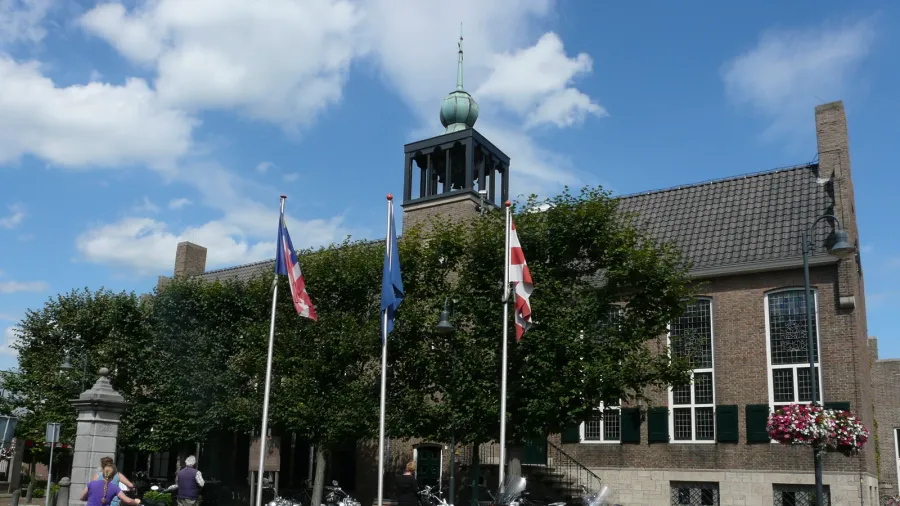
White painted crosses slice through cafe floors and living rooms across Baarle-Nassau, where twenty-two Belgian enclaves fracture a Dutch municipality.
A cold Brabant drizzle settles over the red-brick paving stones of Pastoor de Katerstraat. Steam rises from a porcelain cup on a metal cafe table outside. Underneath the wicker chairs, a double row of white aluminum studs and painted crosses slices diagonally across the sidewalk. To the left of the white line sits the kingdom of the Netherlands; to the right lies the kingdom of Belgium.
A waiter steps across that line six times in forty seconds to deliver a basket of bitterballen. He changes legal jurisdictions on every fourth stride.
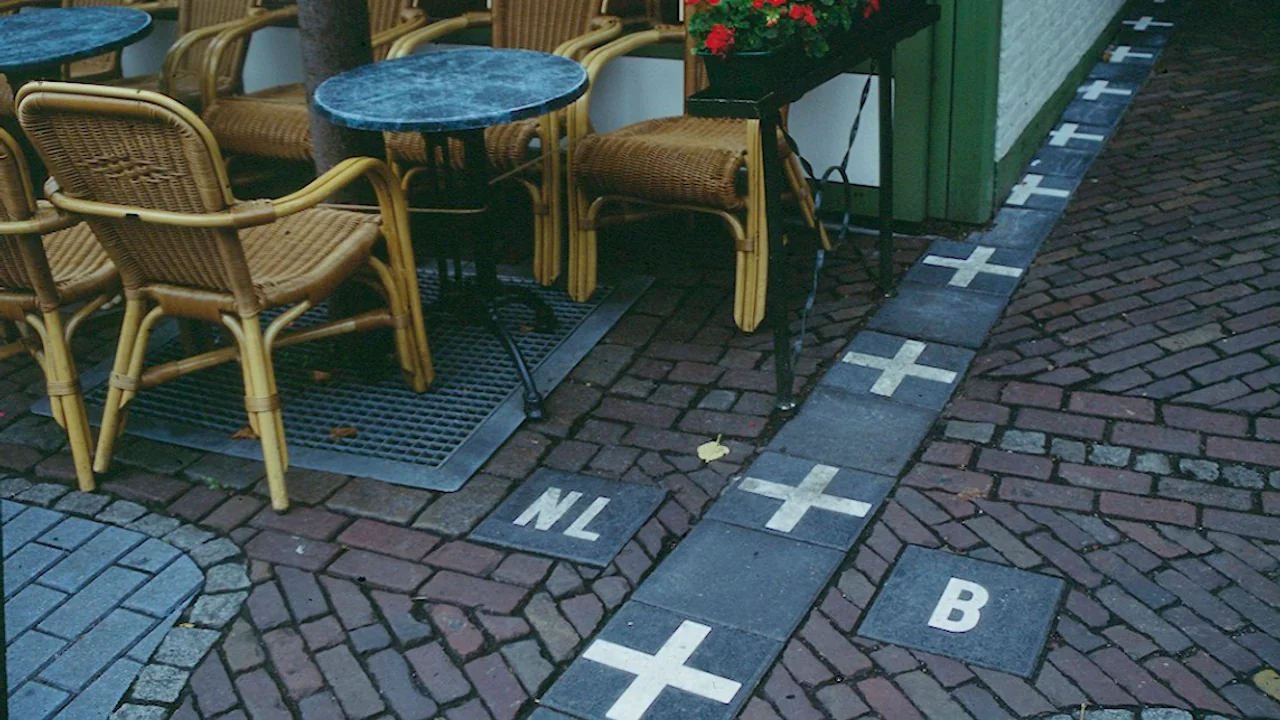 The international boundary marked directly across the floorboards of a local cafe, where moving a chair changes national closing-hour laws.
This territorial puzzle originated in a twelfth-century feudal transaction. In 1198, Duke Henry I of Brabant needed to secure military alliances and expand his political influence northward. He struck an agreement with Godfried II of Schoten, the Lord of Breda. Under feudal custom, Duke Henry granted portions of his holdings to Godfried as a loan.
The division followed strict economic opportunism. Duke Henry kept for himself the parcels already settled by his taxable vassals, along with productive farmlands and established farmsteads. He ceded the uncultivated heaths, bogs, and woods to the Lord of Breda. The result resembled a chessboard knocked onto the floor: dozens of jagged, discontinuous land parcels scattered across a few square kilometers.
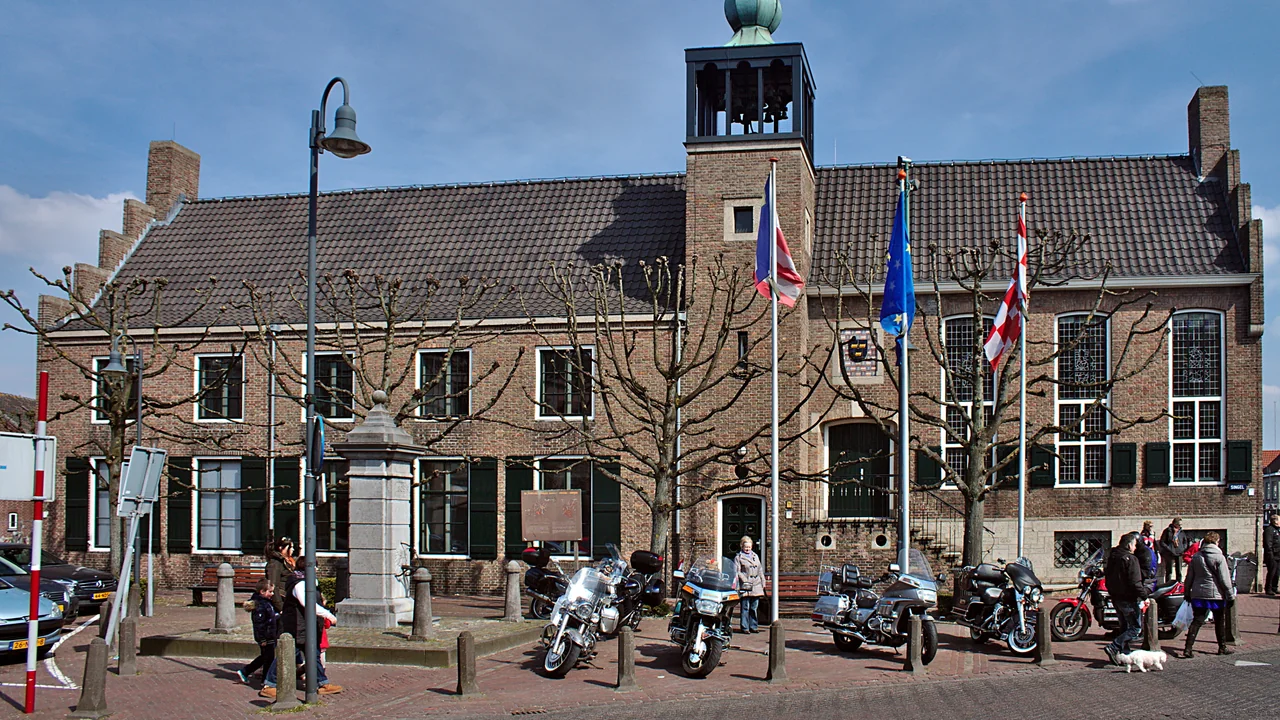 The historic municipal building where twin town councils govern two nations inhabiting one urban grid.
For the nine thousand residents of Baarle, sovereignty operates through a pragmatic domestic convention: the voordeurregel, or Front Door Rule. Because the international boundary cuts clean through private homes, national jurisdiction belongs to whichever country contains the main entrance. When a front door opens into Belgium, the residents pay Belgian income tax, register their vehicle with Belgian plates, and enroll their children in Belgian schools. Shifting the doorway two meters to the left moves the entire household into Dutch jurisdiction.


